
10 Ways to Create a Healthier and More Organized Workplace
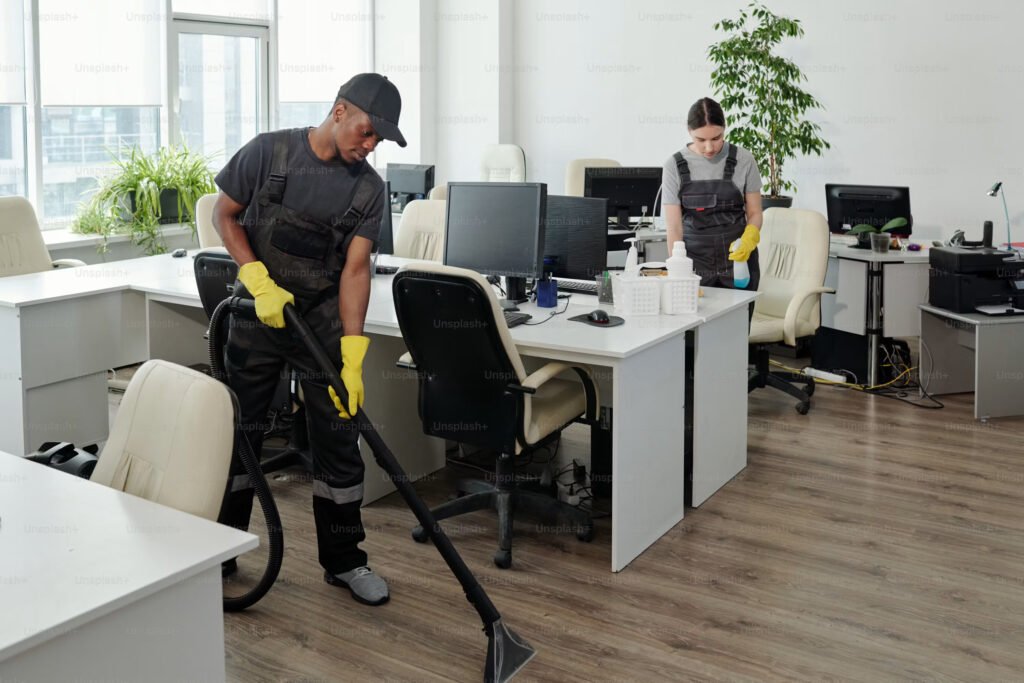
A healthy and organized workplace plays an important role in creating a comfortable, productive, and professional environment. Employees spend a significant amount of time in offices, making cleanliness, hygiene, and organization essential aspects of their daily experience. A well-maintained workspace can help reduce distractions, improve comfort, and support better workplace habits.
Businesses that prioritize workplace cleanliness and organization can create an environment that benefits employees and visitors. From maintaining clean workstations to introducing sustainable practices, there are several practical ways to improve workplace conditions. In this article, we explore 10 effective ways to create a healthier and more organized workplace.
Why a Healthy and Organized Workplace Matters
A workplace’s physical environment can influence employee comfort, satisfaction, and everyday operations. Dusty surfaces, cluttered workstations, and poorly maintained shared areas can make an office feel less welcoming.
Although cleanliness alone does not guarantee higher productivity, consistent maintenance can support a more comfortable and organized environment. Businesses should combine cleaning practices with effective management, workplace safety, and employee wellbeing initiatives.
1. Maintain a Consistent Office Cleaning Routine
One of the most effective ways to create a healthier workplace is to establish a consistent cleaning schedule. Regular cleaning helps businesses manage dust, dirt, waste, and everyday messes before they accumulate.
A cleaning routine should address workstations, floors, meeting rooms, kitchens, restrooms, and common areas. The frequency of cleaning depends on office size, occupancy, foot traffic, and the type of activities performed.
Daily cleaning may be suitable for frequently used areas, while deep cleaning can be scheduled periodically to address more demanding maintenance requirements.
2. Keep Workstations Clean and Organized
Employees use their workstations throughout the day, making desk organization an important part of workplace cleanliness. Cluttered desks can make it difficult to locate documents, equipment, and essential supplies.
Encourage employees to organize their workstations by removing unnecessary items, arranging documents, and keeping frequently used equipment in accessible locations.
Businesses can also provide suitable storage solutions to reduce clutter. Organized workstations make routine cleaning easier and contribute to a more professional office environment.
3. Improve Workplace Hygiene Standards
Workplace hygiene is essential in shared commercial environments where employees regularly interact with common surfaces and facilities.
Businesses should establish practical hygiene procedures for frequently touched areas, including door handles, light switches, shared equipment, and kitchen surfaces. Restrooms and break rooms should also receive appropriate and consistent attention.
Clear hygiene guidelines can help employees understand their responsibilities and support a cleaner workplace. Cleaning procedures should be adapted to the facility’s specific requirements rather than following a one-size-fits-all approach.
4. Reduce Clutter and Improve Office Organization
Office clutter can affect the appearance, usability, and maintenance of a workspace. Excessive paperwork, unused equipment, and poorly organized storage areas can make offices harder to manage.
Businesses can reduce clutter by introducing designated storage spaces, reviewing unnecessary materials, and encouraging employees to maintain organized desks.
A structured decluttering routine can also improve cleaning accessibility. When floors, desks, and walkways remain unobstructed, cleaning teams can reach more areas efficiently.
5. Support Better Indoor Air Quality
Indoor air quality is an important consideration for businesses seeking to maintain a healthy office environment. Dust, inadequate ventilation, humidity, and other building-related factors can influence indoor conditions.
Regular dust removal and appropriate cleaning can support general maintenance, but cleaning alone cannot resolve every air-quality problem. Businesses should also consider ventilation, filtration, moisture management, and professional building assessments where necessary.
Keeping carpets, surfaces, and other areas properly maintained can form part of a broader strategy for improving indoor environmental quality.
6. Maintain Shared Office Spaces
Shared areas such as meeting rooms, reception spaces, kitchens, and restrooms require regular maintenance because they are used by multiple employees and visitors.
Businesses should create cleaning schedules based on how frequently these spaces are used. High-traffic areas may require more frequent attention than less-used rooms.
Maintaining clean shared spaces can improve the overall appearance of an office and contribute to employee comfort. It also helps businesses present a professional image to clients, customers, and visitors.
7. Encourage Employees to Follow Hygiene Practices
Creating a healthier workplace requires participation from both management and employees. Even with professional cleaning services, everyday habits can influence how quickly shared spaces become untidy.
Businesses can encourage employees to:
- Dispose of waste in designated bins.
- Keep shared workspaces organized.
- Clean up spills promptly.
- Store personal belongings appropriately.
- Follow workplace hygiene guidelines.
Clear communication and accessible facilities can make these practices easier to follow. Employee participation should complement, rather than replace, a structured cleaning program.
8. Prioritize Workplace Safety and Maintenance
Workplace organization and safety are closely connected. Obstructed walkways, unattended spills, and poorly maintained surfaces can create avoidable hazards.
Businesses should establish procedures for reporting and addressing maintenance concerns. Cleaning teams should also follow appropriate safety practices when using equipment or cleaning chemicals.
Regular inspections can help identify areas that require attention. However, comprehensive workplace safety involves additional measures, including risk assessments, training, and appropriate safety policies.
9. Use Sustainable Workplace Practices
Sustainability can be incorporated into everyday workplace maintenance through practical resource-management decisions.
Businesses can reduce unnecessary waste, use water responsibly, and consider suitable environmentally preferable cleaning products where their performance and facility requirements allow.
Other useful practices include encouraging recycling where appropriate, reducing disposable materials, and maintaining equipment properly.
Sustainable cleaning should be approached realistically, considering product effectiveness, safety, environmental claims, and the specific needs of the workplace.
10. Consider Professional Commercial Cleaning Services
Maintaining a clean and organized workplace can become challenging when businesses have large facilities, high employee numbers, or busy operating schedules. Professional commercial cleaning services can provide structured support for routine and periodic maintenance.
Depending on the facility’s needs, cleaning services may include office cleaning, floor care, carpet cleaning, restroom maintenance, common-area cleaning, and deep cleaning.
A professional provider can help businesses establish a cleaning schedule based on office size, occupancy, operating hours, and foot traffic. Clear service expectations and regular communication can support consistent maintenance.
How RPTS Cleaning Service Supports Cleaner Workplaces
RPTS Cleaning Service helps businesses maintain clean, organized, and professional commercial environments through practical cleaning support. A structured approach to office maintenance can assist businesses in managing everyday cleaning requirements and periodic deep-cleaning needs.
By assessing the specific requirements of a workplace, businesses can develop cleaning arrangements that support their operational schedules, employee comfort, and facility presentation.
Conclusion
Creating a healthier and more organized workplace requires consistent attention to cleanliness, hygiene, organization, safety, and maintenance. From keeping workstations tidy to maintaining shared spaces and encouraging employee participation, small improvements can contribute to a more comfortable working environment.
Professional cleaning support can help businesses manage routine maintenance and maintain appropriate workplace standards. If you’re looking for reliable Commercial Cleaning in Business Bay, RPTS Cleaning Service can help you explore cleaning solutions suited to your office’s specific requirements. A well-planned cleaning approach can support a cleaner, more organized, and welcoming workplace for employees and visitors.
Ready to Book a Professional Clean?
Get an instant estimate online — our team confirms every booking on WhatsApp.
Book Now