
How to Deep Clean Your House Step by Step
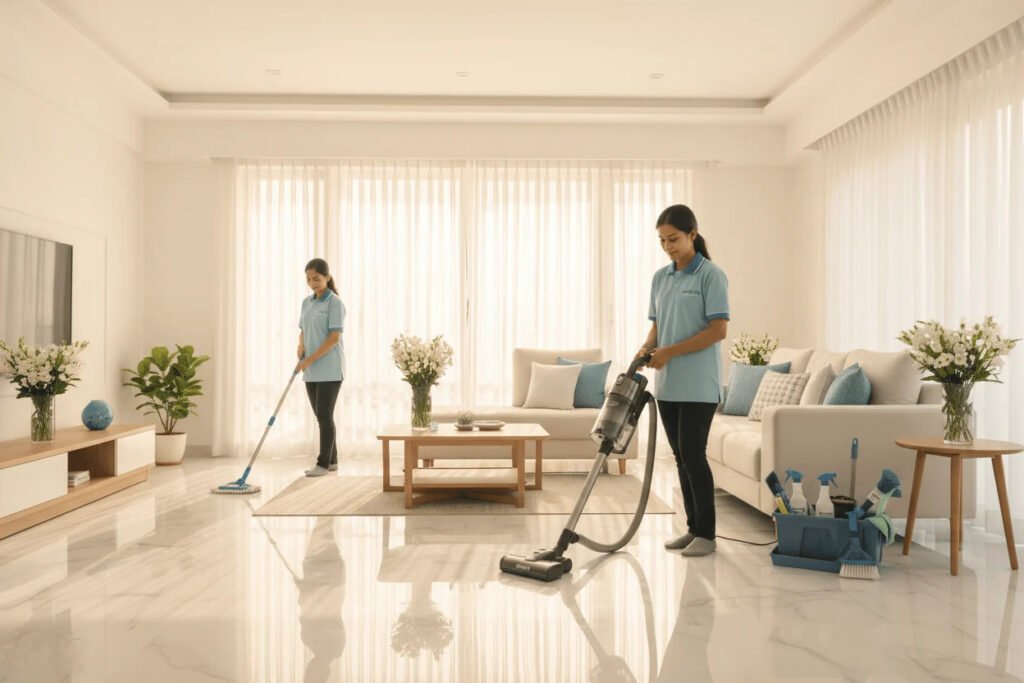
Deep cleaning your house involves more than regular dusting, sweeping, and wiping surfaces. It focuses on areas that are often overlooked during everyday cleaning, such as baseboards, corners, behind furniture, kitchen appliances, bathroom fixtures, and other hard-to-reach spaces. Learning how to deep clean your house step by step can make the process more organized and help you maintain a healthier and more comfortable living environment.
Whether you are preparing for a seasonal cleaning session, getting your home ready for guests, or simply want to refresh your living space, following a structured approach can make deep cleaning easier.
1. Declutter Before You Start
Before cleaning, remove unnecessary items from each room. Put away clothes, books, toys, dishes, paperwork, and other belongings that are lying around.
Decluttering makes surfaces easier to clean and prevents you from moving the same items repeatedly. You can also separate unwanted belongings into three groups: items to keep, donate, and discard.
Starting with an organized space allows you to focus on actual cleaning instead of constantly rearranging things.
2. Prepare Your Cleaning Supplies
Gather everything you need before beginning. Having your supplies ready can save time and help you maintain a consistent cleaning routine.
Common deep-cleaning supplies include:
- Microfiber cloths
- Vacuum cleaner
- Mop and bucket
- All-purpose cleaner
- Glass cleaner
- Bathroom cleaner
- Disinfectant
- Scrub brushes
- Sponges
- Duster
- Cleaning gloves
- Trash bags
Always follow product instructions and avoid mixing cleaning chemicals, particularly products containing bleach with ammonia or acidic cleaners.
3. Dust From Top to Bottom
One of the most useful deep-cleaning techniques is to work from higher surfaces toward lower ones. Dust ceiling fans, light fixtures, shelves, cabinets, and other elevated areas before cleaning furniture and floors.
Pay attention to places that are easy to overlook, including:
- Ceiling fan blades
- Lampshades
- Door frames
- Picture frames
- Shelves
- Corners
- Air vents
- Baseboards
Dusting first prevents dirt from falling onto surfaces that you have already cleaned.
4. Deep Clean the Kitchen
The kitchen often requires additional attention because grease, food particles, and spills can accumulate over time.
Start by clearing countertops and wiping them thoroughly. Clean cabinet doors, handles, backsplash areas, and shelves. Pay particular attention to frequently touched surfaces such as appliance handles and drawer pulls.
You can also clean commonly overlooked areas, including the inside of the microwave, refrigerator shelves, oven surfaces, and areas beneath small appliances.
After cleaning surfaces, sweep and mop the floor to remove remaining dirt and debris.
5. Give Your Bathrooms a Thorough Cleaning
Bathrooms should be included in every whole-house deep cleaning routine. Start by applying appropriate bathroom cleaner to sinks, tubs, showers, and other suitable surfaces.
Clean mirrors and glass surfaces to remove fingerprints, water spots, and buildup. Scrub grout and tile areas where appropriate, and clean faucets and fixtures.
The toilet should be cleaned according to the manufacturer’s recommendations. Finally, mop the bathroom floor and allow cleaned surfaces to dry properly.
6. Deep Clean Bedrooms
Bedrooms can collect dust in areas that are not cleaned during regular housekeeping. Begin by changing and washing bedding according to the fabric care instructions.
Vacuum carpets and rugs thoroughly, including underneath the bed and around furniture. Dust nightstands, wardrobes, shelves, lamps, and other surfaces.
If practical, move lightweight furniture so you can clean underneath and behind it. Curtains, blinds, and other window coverings should also be checked for dust and cleaned according to their care instructions.
7. Clean the Living Room Thoroughly
The living room usually receives frequent daily use, making it an important part of a deep cleaning routine.
Vacuum sofas and upholstered furniture, paying attention to cushions and gaps where dust and debris can collect. Clean tables, shelves, entertainment units, and decorative surfaces.
Move furniture when possible and vacuum underneath it. Clean windows, window frames, doors, and frequently touched surfaces to give the room a more complete refresh.
8. Pay Attention to Floors and Carpets
Once dusting and surface cleaning are complete, focus on the floors. Vacuum carpets and rugs carefully, especially along edges and underneath furniture.
For hard floors, use a suitable cleaning method based on the flooring material. Avoid excessive water on surfaces that can be damaged by moisture.
Deep floor cleaning is particularly important because dirt and dust can accumulate in corners and high-traffic areas even when floors appear clean.
9. Clean Windows, Doors, and Baseboards
Windows, doors, and baseboards are often overlooked during everyday cleaning but can make a noticeable difference during a deep clean.
Wipe window frames, sills, and accessible glass surfaces. Clean door handles and remove visible marks from doors where the material allows.
Baseboards can collect dust along their edges, so wipe them carefully using an appropriate cloth or cleaning solution.
10. Disinfect High-Touch Surfaces
After removing visible dirt, identify frequently touched areas around your home. These may include door handles, light switches, cabinet handles, remote controls, and frequently used surfaces.
Use an appropriate disinfectant according to its label instructions and the material being cleaned. Allow the product to remain on the surface for the required contact time when applicable.
Cleaning and disinfecting are different processes, so removing dirt before disinfecting is an important part of effective surface care.
11. Finish With the Floors
Floor cleaning should generally come toward the end of your deep-cleaning process. Dust, dirt, and debris can fall onto floors while you clean higher surfaces and furniture.
Start by vacuuming or sweeping thoroughly. Then mop hard floors using a suitable product and method for the flooring type.
Pay extra attention to corners, areas beneath furniture, and high-traffic sections.
12. Create a Regular Deep Cleaning Routine
Deep cleaning does not have to happen all at once every time. Creating a schedule can make household maintenance more manageable.
For example, you can dedicate one day to the kitchen and bathrooms and another to bedrooms and living areas. Smaller cleaning tasks can also be distributed throughout the week.
The frequency of deep cleaning depends on factors such as household size, pets, lifestyle, traffic, and personal preferences. Regular maintenance between deep-cleaning sessions can help prevent dirt and clutter from becoming difficult to manage.
When Should You Consider Professional Deep Cleaning?
Some cleaning projects require more time, equipment, or effort than regular household maintenance. Professional cleaners can be useful when you have limited time, are preparing a property for new occupants, or need a more comprehensive cleaning service.
Professional cleaning may also be considered after renovations, before moving into a property, after moving out, or when a home has not received a thorough cleaning for an extended period.
Conclusion
Knowing how to deep clean your house step by step makes a large cleaning project easier to organize. Start by decluttering, gather the right supplies, dust from top to bottom, and then work through the kitchen, bathrooms, bedrooms, living areas, floors, windows, and frequently touched surfaces. Finishing with the floors helps remove dust and debris that may have fallen during the cleaning process.
A consistent deep-cleaning routine, combined with regular everyday maintenance, can help keep your home cleaner and more comfortable throughout the year. If you are preparing to move into a new property, professional Move in Cleaning Services in Business Bay can also help ensure your new home is thoroughly cleaned and ready for a fresh start.
Ready to Book a Professional Clean?
Get an instant estimate online — our team confirms every booking on WhatsApp.
Book Now